
Széchenyi István University and the University of Siena to Collaborate in Medical Technology Research
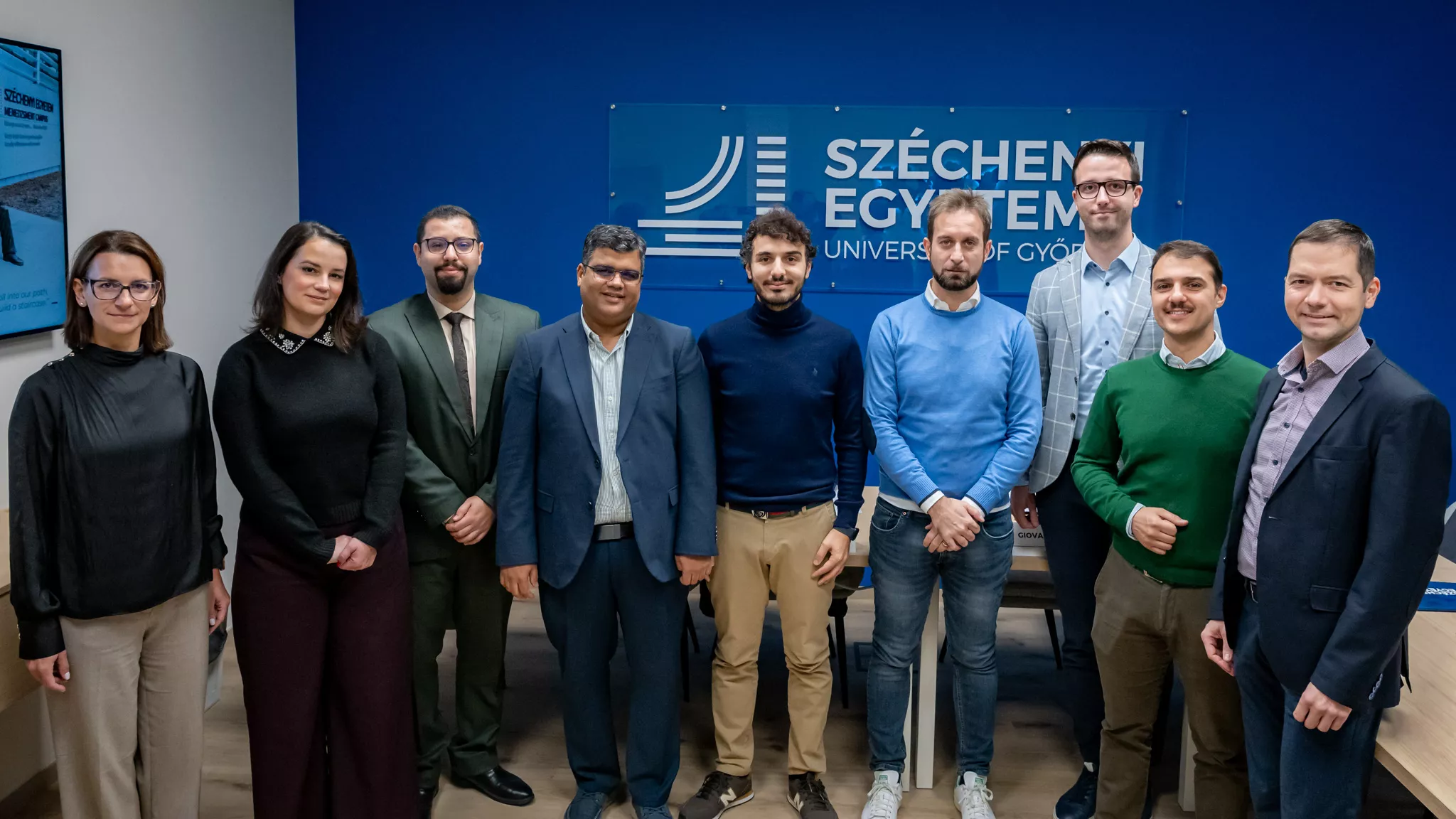
A three-member delegation from the University of Siena visited Széchenyi István University, where they explored the institution’s innovations, clinical partnerships, and the applications of the Da Vinci surgical robot. Following the meeting, both institutions expressed openness to collaborating in urology, gynecology, and other medical technology research areas in the future.
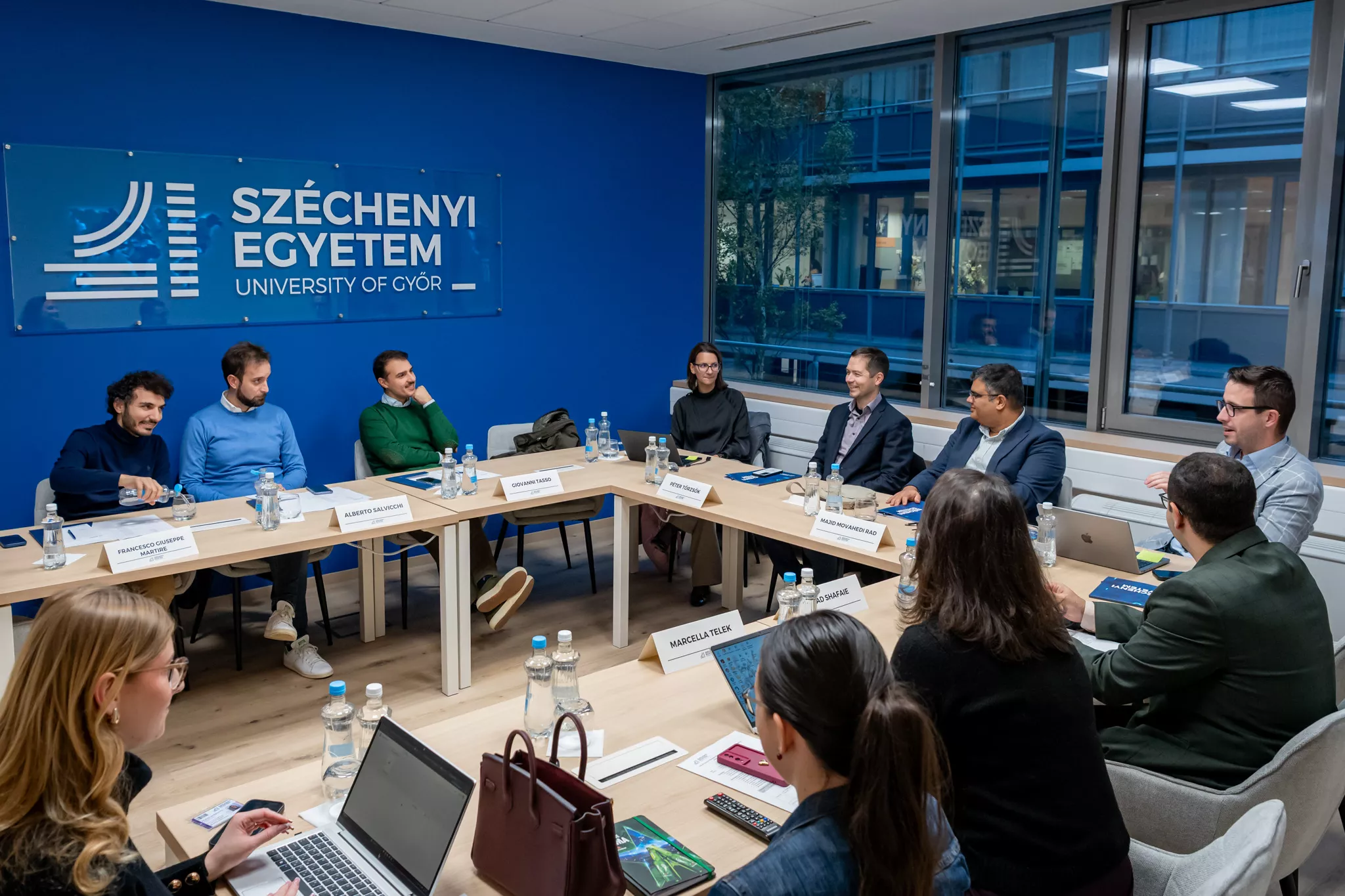
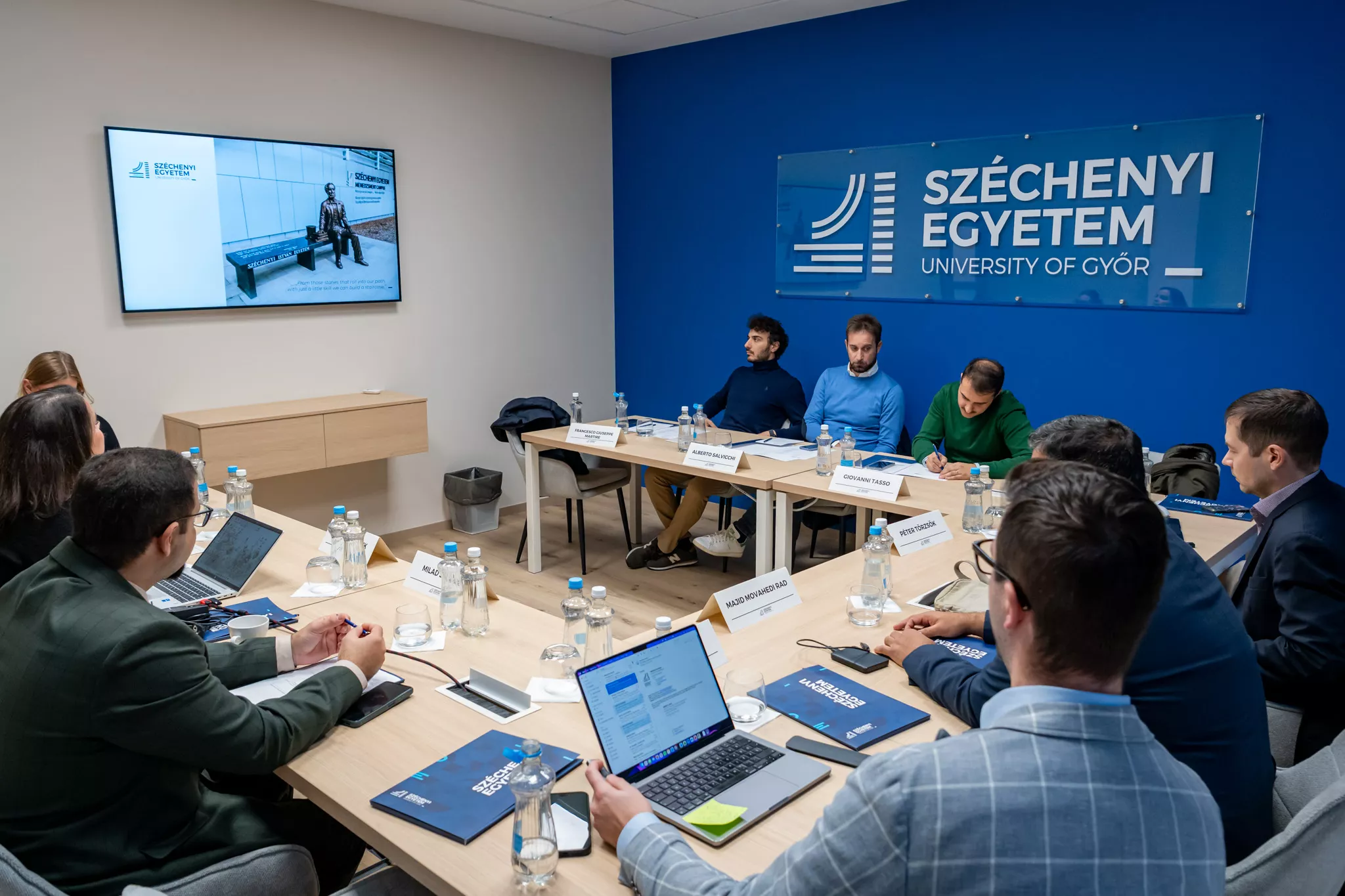
A three-member delegation from the University of Siena in central Italy recently visited Széchenyi István University, where they were introduced to the institution’s scientific and innovation activities, as well as its strong partnership with the Petz Aladár University Teaching Hospital in Győr-Moson-Sopron County. The visitors showed particular interest in the operation of the Da Vinci surgical robot purchased by the university, which holds significant clinical and research potential and offers numerous opportunities for collaboration.
The University of Siena is among the world’s notable higher education institutions: it ranks 607th on the Quacquarelli Symonds global list and is listed in the 351–400 bracket of the Times Higher Education rankings. This visit laid the foundations for a deeper, research-oriented cooperation between the two universities.
University innovations and the Da Vinci robot
The guests received a detailed overview of the university’s educational, research, development, and innovation portfolio. One of the highlights was the demonstration of the Da Vinci surgical robot, presented by Professor Miklós Endre Koppán, obstetrician-gynecologist of the Faculty of Health and Sports Sciences at Széchenyi István University.
Beyond its clinical role, the robot also contributes to academic research, as university experts are developing the future of robotic surgery and healthcare using artificial intelligence–based methods.
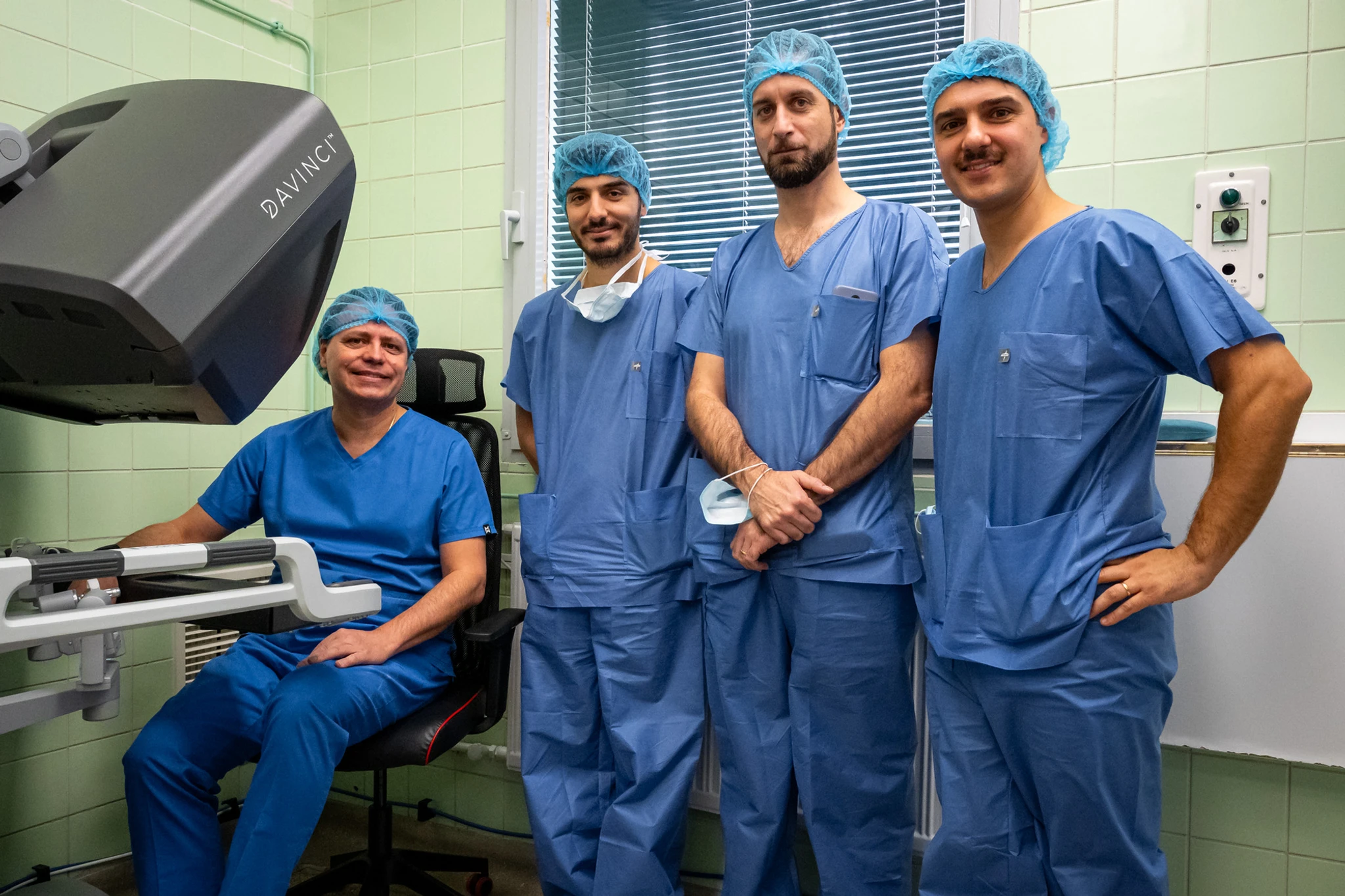
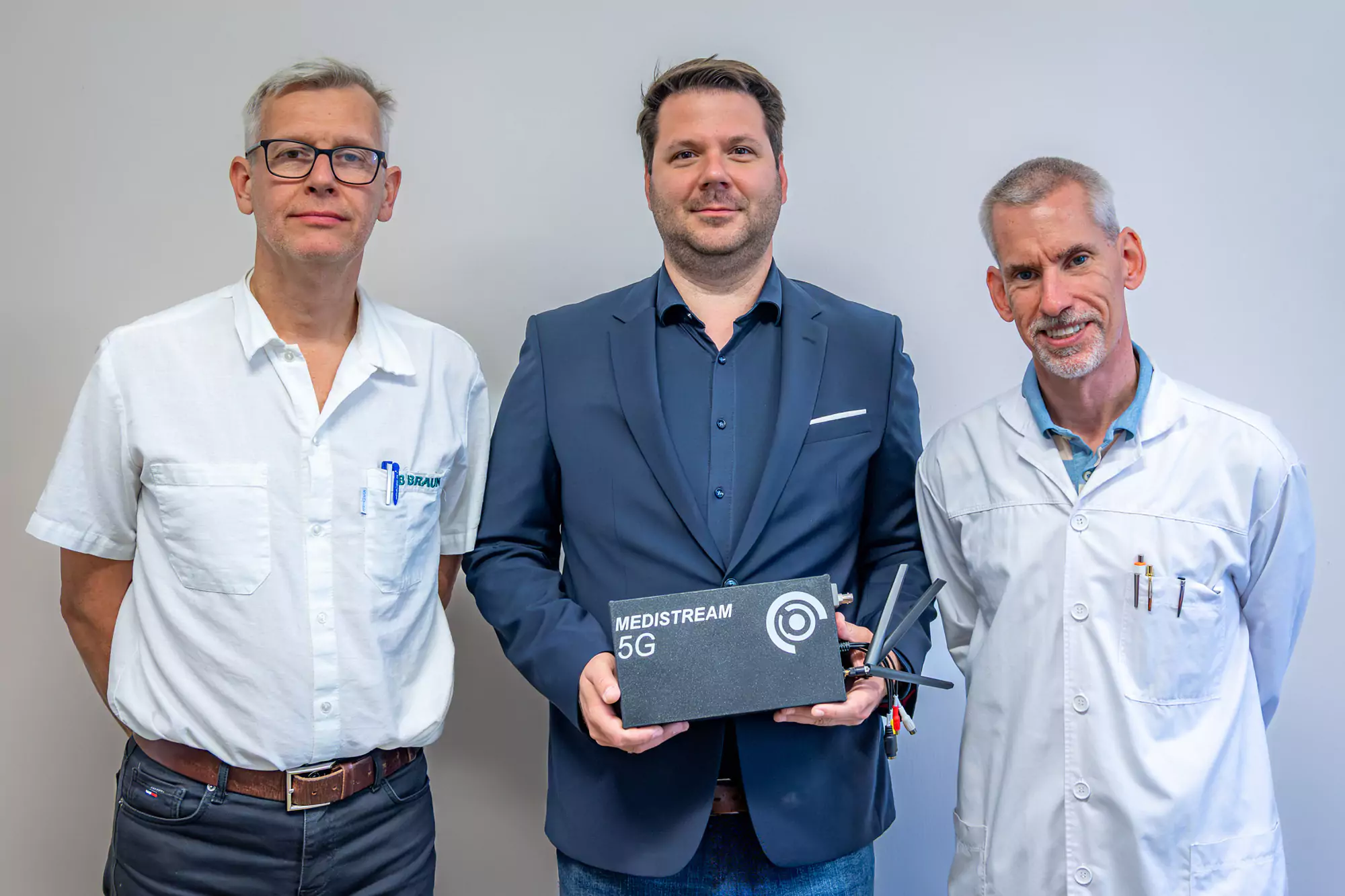
The operation of the Da Vinci surgical robot was demonstrated to the visiting Siena researchers by Professor Miklós Endre Koppán (left), obstetrician-gynecologist at the Faculty of Health and Sports Sciences of Széchenyi István University. (Photo: Széchenyi István University)
Diverse opportunities for scientific cooperation
The delegation held official meetings with university leaders and researchers.
Péter Németh, Scientific Secretary, emphasized that Széchenyi István University contributes to global higher education with more than 50 English-taught programmes, four doctoral schools, a strong international environment and numerous competence centres.
Professor Majid Movahedi Rad from the Faculty of Architecture, Civil Engineering and Transport Sciences presented the work of the Computational Mechanics Research Group, highlighting projects in biomedical technologies, numerical modelling and AI applications. Their ongoing projects include:
-
AI-based optimization of drug delivery,
-
development of 3D-printed biomechanical devices,
-
durable bone replacement solutions,
-
numerical modelling of robot-assisted surgical procedures.
Further details were presented by PhD candidate Milad Shafaie.
Health-technology innovations at the Digital Development Center
Zsuzsanna Iharos from the Digital Development Center introduced the institution’s most successful health-technology projects, including:
-
a surgical streaming platform,
-
a sports dietetics application,
-
a VR-based rehabilitation programme,
-
a motion-analysis system,
-
a telerehabilitation software solution.
She highlighted that thanks to the center’s cutting-edge infrastructure and expertise, the full development process—from pilot testing to market implementation—can be supported in-house.
Inspiring opportunities in future medical technology
Researchers from the University of Siena identified multiple promising areas for joint research.
According to Dr. Giovanni Tasso, urology could particularly benefit from advances in robotics, which may reduce recovery time and improve healing efficiency.
Dr. Francesco Giuseppe Martire sees collaboration opportunities in gynecological robotic surgery and AI-powered clinical applications, especially in the fields of endometrial cancer and endometriosis research.
Dr. Alberto Salvicchi highlighted the potential of 3D-printed thoracic bone replacements, which could offer more flexible alternatives to current titanium implants.
A shared future at the intersection of technology and medicine
Dr. Péter Törzsök, International Vice Dean of the Faculty of Health and Sports Sciences, emphasized that the synergy between clinical expertise and engineering-driven university research can lead to innovations that shape the future of healthcare.
He added that the emerging collaboration with the University of Siena not only strengthens international relations but also signifies a long-term commitment to advancing medical technology through joint research.
The original source of the article can be found on the university’s website: https://uni.sze.hu/post/orvostechnol%C3%B3giai-kutat%C3%A1sokban-m%C5%B1k%C3%B6dhet-egy%C3%BCtt-a-sz%C3%A9chenyi-istv%C3%A1n-egyetem-az-olasz-sienai-egyetemmel